Imagine this: You have been saving for years. You’ve watched every Studio Ghibli movie, you know exactly which ramen shop in Shinjuku you want to visit first, and you’ve finally decided that 2026 is the year you visit Japan.
You sit down to apply for your visa, confident and excited. But then you hit a roadblock. The application checklist asks for "Flight Information." Panic sets in. A direct flight to Tokyo costs $1,200. Do I have to buy this ticket now? What if my visa gets rejected? Do I lose all that money?
This is the single most common anxiety for travelers applying for a Japan Tourist Visa. The internet is full of conflicting advice. Some forums say "Buy the ticket to show you are serious!" while others scream "Never buy until approved!"
Today, we are going to settle this once and for all. We have analyzed the official embassy guidelines from the US, Philippines, India, and Pakistan to give you the definitive answer for 2026.
The Short Answer: Do NOT Buy the Ticket
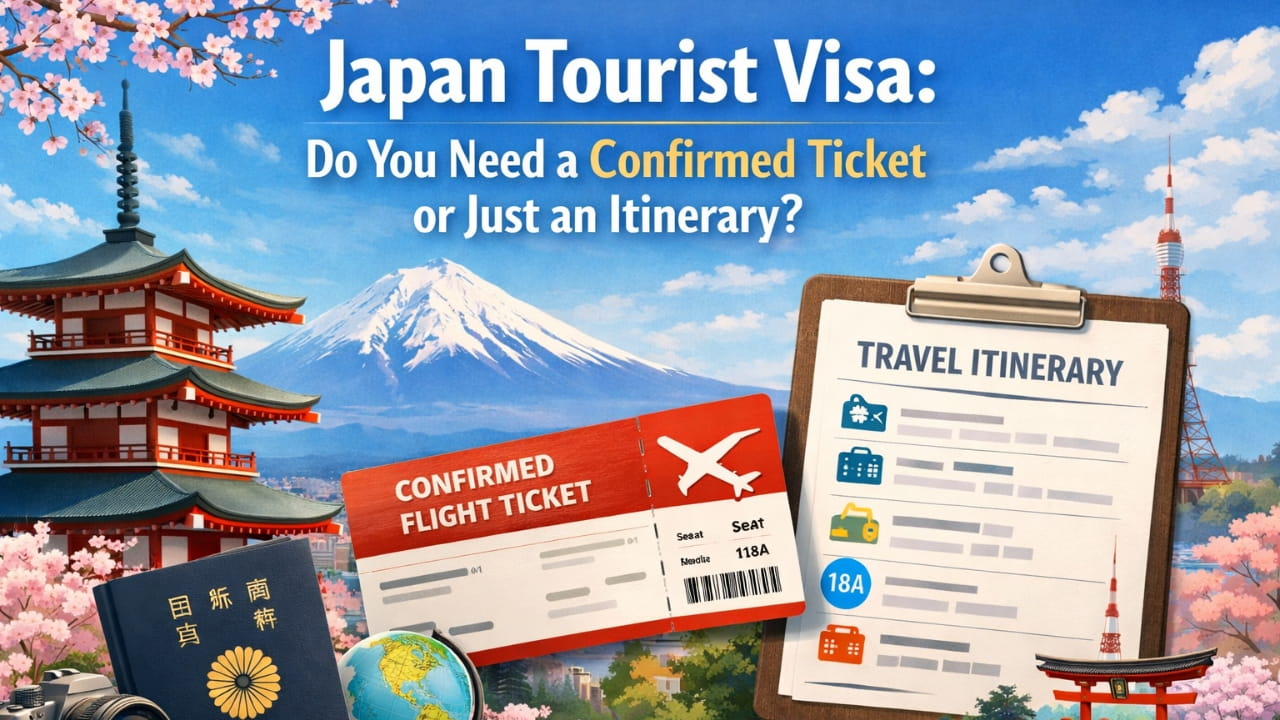
Let's rip the band-aid off immediately: No, you generally do not need a fully paid, confirmed flight ticket to apply for a Japan Tourist Visa.
In fact, most Japanese Embassies explicitly advise against it. They know that visa processing times can vary and that rejections happen. They do not want you to suffer financial loss.
What they do require is a Flight Itinerary or a Flight Reservation.
The Embassy of Japan in the USA states on their official website: "We do not require the purchase of tickets... The Embassy is NOT responsible for tickets which may be unusable due to the delay or denial of a visa."
What is the Difference? (Itinerary vs. Ticket)
This is where applicants get confused. To a visa officer, these two documents are world's apart:
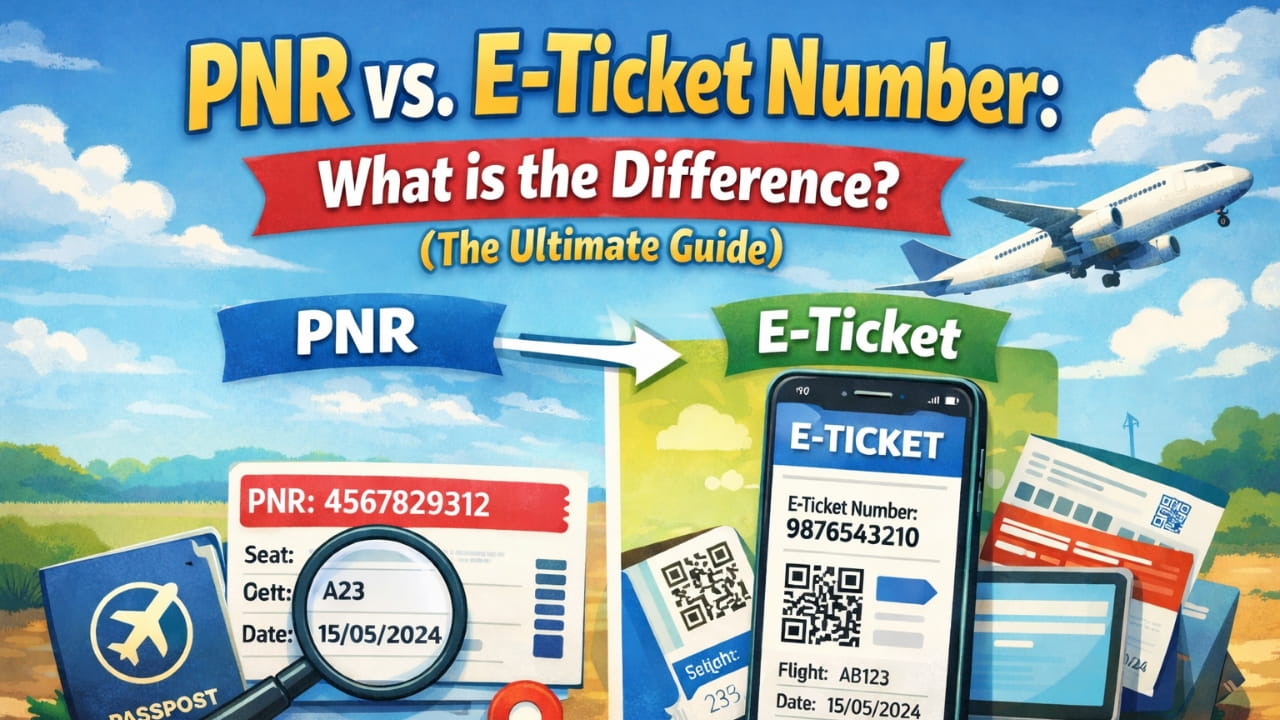
- Confirmed Ticket (E-Ticket): This means you have paid 100% of the fare. You have a 13-digit ticket number. If you cancel, you likely lose money.
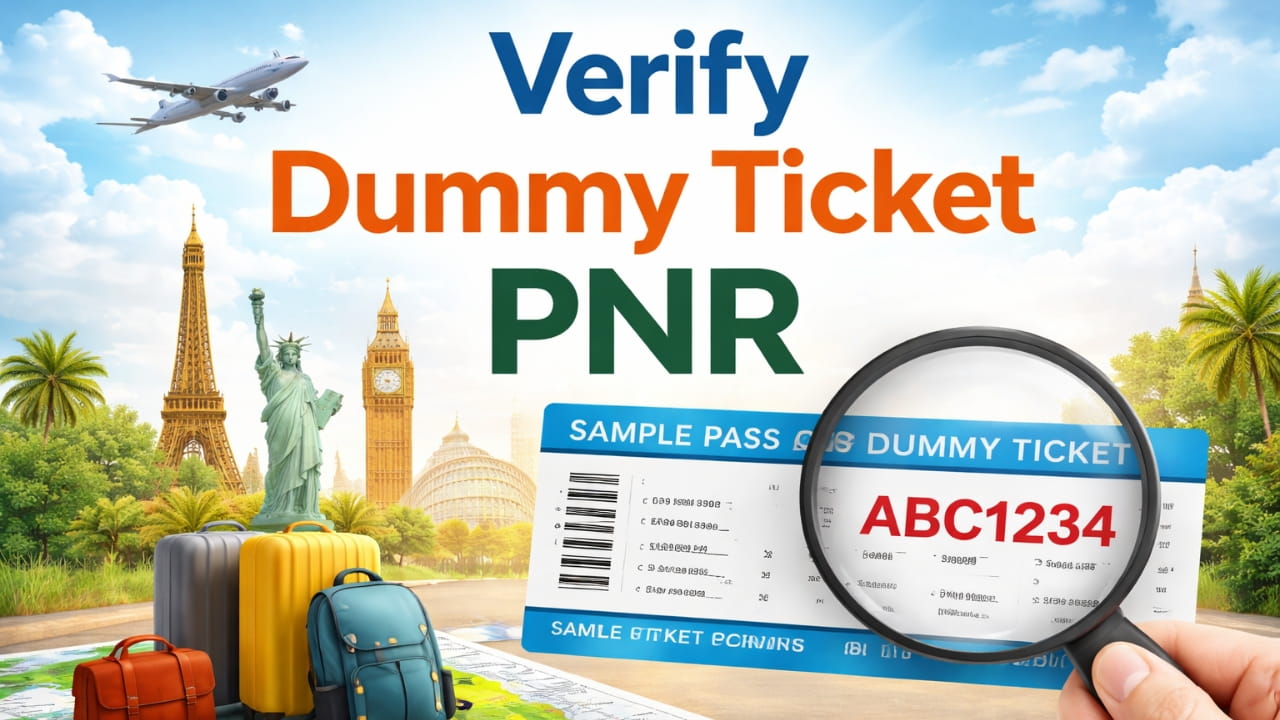
- Flight Itinerary / Reservation (Dummy Ticket): This is a "hold" on a seat. It has a valid PNR (Booking Reference) and shows your name, flight numbers, and dates. It is verifiable on the airline's website, but it is not fully paid.
The Japanese Consulate wants the second one. They want to see intent and planning, not necessarily a receipt.
Country-Specific Guidelines (2026 Update)
While the general rule is "don't buy," the strictness of the document varies slightly depending on where you are applying from. Here is a breakdown of the specific nuances for major regions:
1. Applying from the Philippines
The Japanese Embassy in the Philippines is very strict about financial documents (Bank Certificate, ITR), but surprisingly relaxed about flights.
The Rule: The VFS Philippines checklist asks for an "Itinerary in Japan." It explicitly states: "Booking is not necessary." You just need to list your intended flight numbers and dates on your daily schedule.
Our Recommendation: While they say booking isn't necessary, submitting a verifiable reservation is much safer than just writing numbers on a piece of paper. It shows you have checked availability and prices.
2. Applying from India
Indian applicants often face higher scrutiny. The VFS India checklist asks for "Flight details of entire trip... issued by travel agent or air tickets."
The Trap: Some travel agents in India will tell you that you must buy the ticket. This is usually because they want the commission. Do not fall for it. A verifiable reservation issued by a travel agency (Proof of Onward Travel) is perfectly acceptable and standard.
3. Applying from USA / Canada / UK
If you are a foreign resident in these countries (e.g., a Green Card holder in the US), the process is very straightforward. They explicitly warn you not to purchase tickets. A simple printout of your intended flight schedule is often enough, but a held PNR is better.
Why You Should Use a Verifiable "Dummy Ticket"
So, if you shouldn't buy a ticket, can you just use Photoshop to make one? Absolutely not.
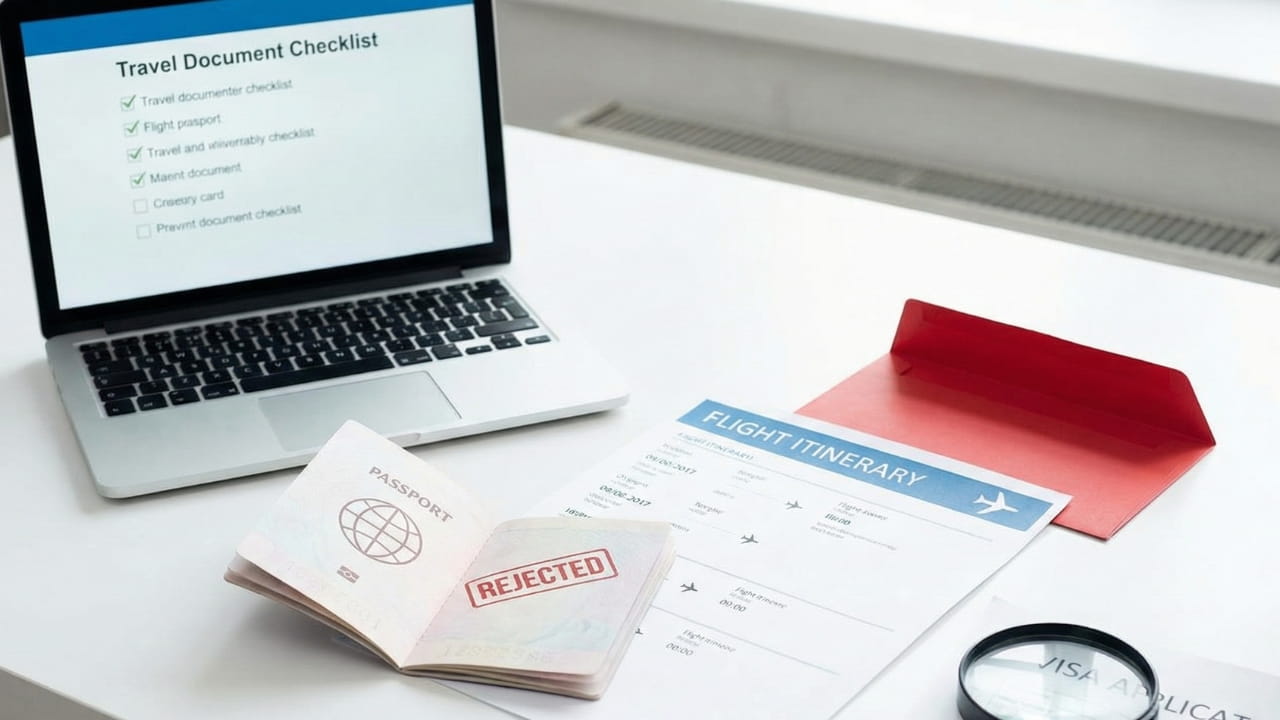
Never use a fake ticket generator. Visa officers have tools to verify bookings. If they type in your PNR and it doesn't exist in the global system, your visa will be rejected for "Fraudulent Documents," and you could be banned from applying for years.
A "Dummy Ticket" from a reputable service is a real reservation. It uses a live PNR code that works on the airline's website (e.g., checking it on ANA or Japan Airlines). It essentially holds your seat for a period (usually 2-3 weeks), giving the embassy enough time to process your visa. Once approved, you can let the reservation expire and book the actual ticket you want.
How to Present Your Itinerary for Approval
To ensure your flight itinerary helps (rather than hurts) your application, follow these three golden rules:
1. Match Your "Schedule of Stay"
The Japan visa application requires a separate document called the "Schedule of Stay" (Taizai Yoteihyo). This is a day-by-day breakdown of your trip.
Crucial: The entry date and exit date on your Flight Itinerary MUST match the dates on your Schedule of Stay exactly. If your flight arrives on April 1st, your schedule must start on April 1st. Even a one-day discrepancy can lead to questions.
2. Use Logical Airports
Japan has major hubs. Stick to them.
Tokyo: Narita (NRT) or Haneda (HND).
Osaka/Kyoto: Kansai (KIX).
Don't book a flight into Fukuoka if your entire itinerary is in Tokyo. It looks suspicious.
3. Always Round-Trip
Never submit a one-way ticket. Immigration officers want to know one thing above all else: "When are you leaving?" A confirmed return flight reservation is your strongest proof that you intend to return to your home country.
What If My Visa is Approved?
Congratulations! Once you get your passport back with that beautiful visa sticker, then—and only then—should you purchase your actual ticket.
Pro Tip: You do not have to book the exact same flight you used for the application. You are free to book a cheaper flight or change dates slightly, as long as your travel remains within the validity period of your visa.
Summary Checklist
- Do NOT buy a non-refundable ticket before approval.
- Do NOT use fake/photoshopped documents.
- DO get a verifiable flight reservation (PNR) from a travel agency.
- DO ensure dates match your "Schedule of Stay" form perfectly.
- DO ensure the PNR is valid for at least 14 days to cover the processing time.
Japan is waiting for you. By following these simple rules, you can apply with confidence, keep your savings safe, and focus on the important stuff—like planning which sushi train to visit first!
Leave a Comment