
Let's be honest. The scariest part of applying for a Schengen visa isn't the interview—it's the financial anxiety. You're constantly calculating: "If I buy this $1,200 non-refundable ticket to Paris and my visa gets rejected, I lose everything."
It feels like a trap, doesn't it? The embassy demands proof that you have a flight, but logic screams that buying a ticket before you have the visa is a gamble. We see this fear in our inbox every single day. But here is the good news: You do NOT need to take that risk.
In this guide, we're going to walk you through the actual rules (not the rumors) for 2026. We will explain exactly what a "flight itinerary for visa" is, how it differs from a paid ticket, and how you can submit a perfectly legal reservation that satisfies the embassy without draining your bank account.
1. The Official Rules: What Does the Embassy Actually Want?
First, let's look at the law so you can breathe easier. The Schengen Visa Code is the rulebook for all 27 countries (France, Germany, Italy, etc.). Article 14 states that you must provide:
"Documents indicating the purpose of the journey... and documents relating to accommodation and the means of subsistence."
For tourists, this means "Proof of Transport." But here is the key detail that most people miss: Major visa processing centers like VFS Global and TLSContact explicitly list "Flight Reservation" on their checklists—NOT "Paid Ticket."
The French Consulate even has a warning on their site: "We advise applicants not to purchase their tickets before the visa is issued." They are literally telling you to use a reservation to save your money!
2. The "Restaurant Reservation" Analogy
If you're still confused about the difference between a "Dummy Ticket" (Flight Itinerary) and a "Confirmed Ticket," think of it like this:
The Flight Itinerary (Like a Table Reservation)
Imagine calling a fancy restaurant and booking a table for Friday night. They hold the table for you under your name. You haven't paid for the meal yet, but the table is yours. This is exactly what a flight itinerary is. A travel agent reserves a real seat on a real plane for you. It creates a PNR (Passenger Name Record) that the embassy can check online. It proves you have a plan, but you haven't paid the $1,000 yet.
The Confirmed Ticket (Paying the Bill)
This is like paying for the entire 5-course dinner before you even sit down. If you get sick and can't go to the restaurant (or your visa is rejected), you lose that money. This is what happens when you buy a full E-Ticket too early.
Our Advice: Always use the "Table Reservation" method (Flight Itinerary) for your application. It's safer, smarter, and accepted.
3. Country-Specific Quirks for 2026
While the rules are generally the same, some countries are stricter than others. Here is what we've seen recently:
Very standard. They accept flight reservations easily but double-check your hotel dates match your flight dates exactly.
Strict on validity. They often check the PNR code online. Make sure your reservation holds for at least 14 days.
Can be tricky. For "rush" visas, they sometimes ask for paid tickets. If possible, add a cover letter explaining why you used a reservation.
Focuses heavily on travel insurance. Ensure your insurance covers the exact days listed on your flight itinerary.
4. Don't Fall for the "One-Way" Trap
We see this mistake ruin perfectly good applications. You might think, "I'll fly to Paris, then maybe take a train to Rome, and fly home from there whenever I want."
Do not do this.
The embassy's #1 fear is that you will stay in Europe illegally. A one-way ticket screams, "I might not come back." Always, always submit a Round Trip itinerary. It proves you have a defined exit plan. If you are flying into one city and out of another, that is fine (it's called an "Open Jaw" ticket), but both legs must be on the itinerary.
5. The "Magic Sentence" for Your Cover Letter
Want to boost your chances? Be transparent. Don't hide the fact that it's a reservation. Address it confidently in your cover letter to the visa officer. Use this script:
"Please find attached a verifiable flight itinerary for my proposed travel dates. I have chosen to submit a reservation to avoid financial loss in the event of unforeseen processing delays. I am fully prepared to purchase the confirmed ticket immediately upon the approval of my visa."
This shows respect, planning, and financial responsibility—three things visa officers love.
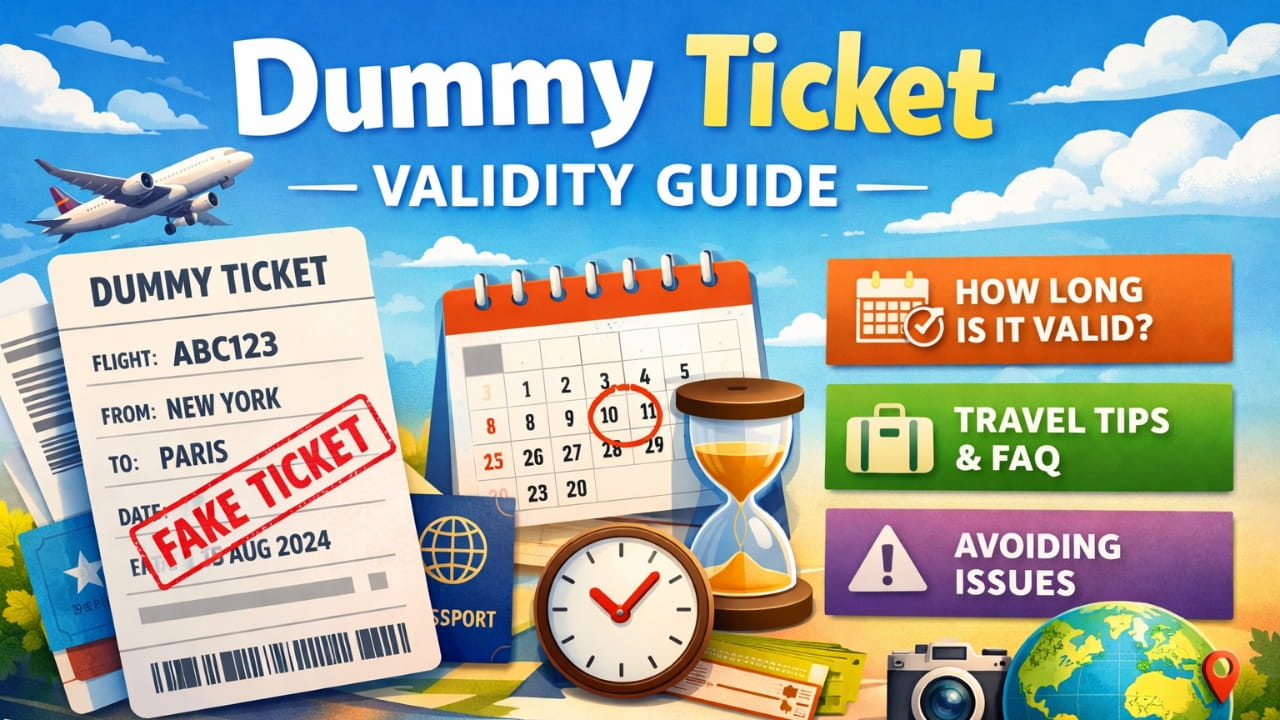
6. How to Avoid the "24-Hour" Expiring PNR
Here is a common scenario: You book a free hold on Expedia or a direct airline site. It says "Held for 24 hours." You print it and submit your visa application.
Two days later, the visa officer picks up your file. They check the PNR. It says "Cancelled." Why? Because the 24 hours ran out.
Result: Visa rejected for "Invalid Documents."
The Fix: Do not use standard 24-hour holds. Use a specialized travel agent or service that can hold a PNR for 7 to 14 days. This ensures the code is still live when the officer checks it a week later.
7. Verification: The Final Step Before Submission
Never submit a document blindly. Before you head to the embassy, do a quick check:
- Go to the airline's website (e.g., KLM.com).
- Find the "My Trip" or "Manage Booking" link.
- Type in your surname and the 6-digit PNR code from your PDF.
- If it shows your flight details, you are safe to submit. If it says "Error," contact your agent immediately.
8. Final Thoughts
Getting a Schengen visa doesn't have to be a gamble. By using a verifiable flight itinerary, you are following the rules while protecting your bank account. It is the smart way to travel.
Check your dates, verify your PNR, include that cover letter note, and apply with confidence. Europe is waiting for you!
Leave a Comment