
Applying for a visa is notoriously stressful. There are countless forms to fill, financial documents to gather, and strict interviews to prepare for. However, the single biggest source of confusion and anxiety for travelers around the world revolves around one critical document: The Flight Ticket.
We receive hundreds of emails every week from travelers asking the same anxious questions: "Do I really need to buy a full-price flight ticket before I even know if my visa is approved?" and "What happens if I spend $1,500 on a non-refundable ticket to Paris, only to have the consulate reject my application next week?"
This financial anxiety is completely valid. Airlines make it notoriously difficult to get refunds, and visa officers can be unpredictable. That is why understanding the crucial difference between a **Flight Itinerary** (often called a dummy ticket) and a **Confirmed Ticket** is the most important step in protecting your wallet during the application process.
In this comprehensive, deep-dive guide, we will break down exactly what embassies require, how you can satisfy the "proof of onward travel" rule without risking your savings, and how to spot the dangerous difference between a legitimate reservation and a fake document that could get you banned from travel forever.
1. What is a Flight Itinerary? (The Safe Option)
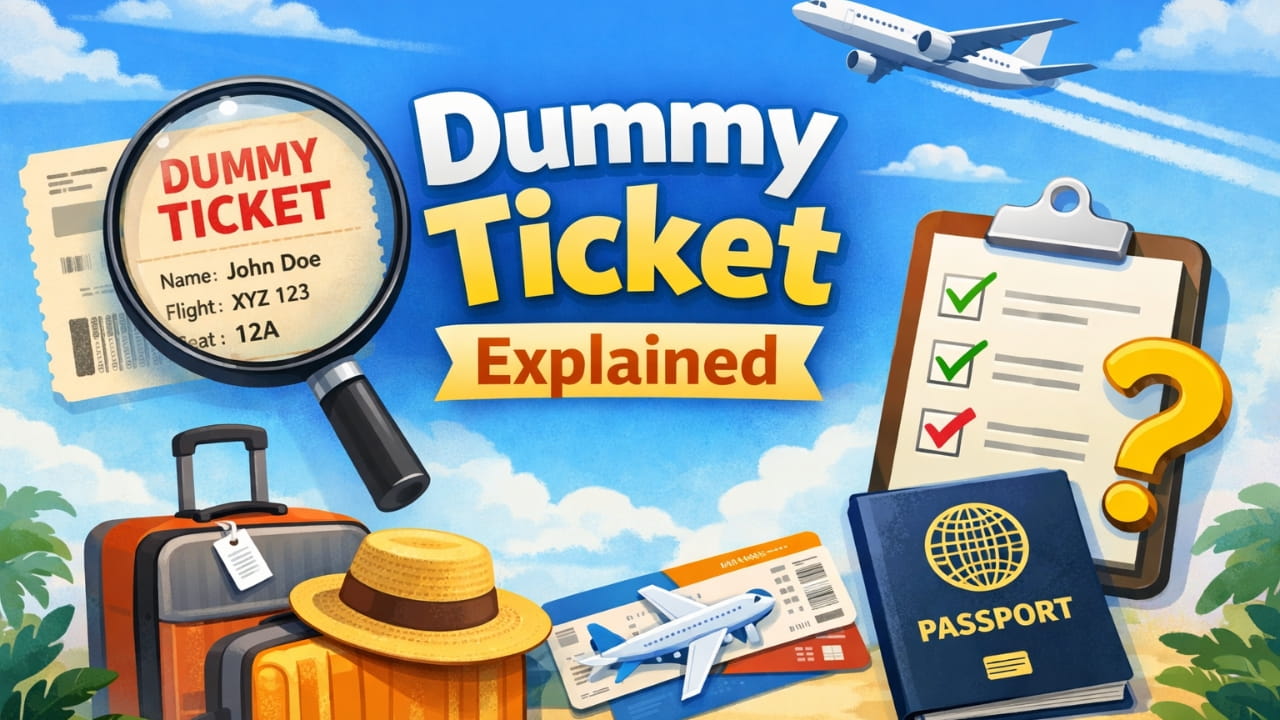
A flight itinerary—often referred to in the travel industry as a "Flight Reservation," "Dummy Ticket," or "Proof of Onward Travel"—is a formal document that outlines your proposed travel schedule. While it looks like a ticket, it serves a different legal and financial purpose.
Many travelers mistakenly believe that a "dummy ticket" is a fake document. This is incorrect. A legitimate flight itinerary is a real reservation made within the airline's system, but it hasn't been paid for in full yet.
Key Characteristics of a Legitimate Flight Itinerary:
- It Reserves a Real Seat: The itinerary holds a specific seat on a specific flight in your name within the airline's inventory. It takes that seat off the market temporarily.
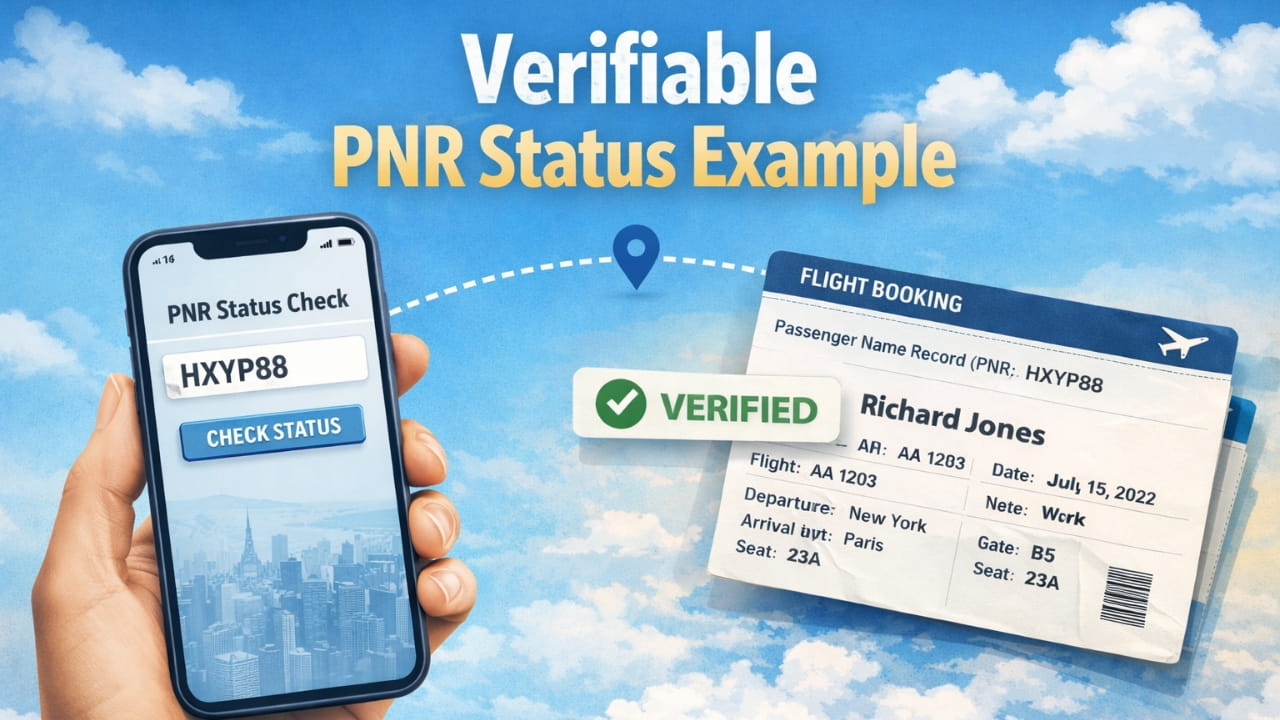
- It Has a Valid PNR: It includes a unique 6-digit PNR (Passenger Name Record) generated by the airline's Global Distribution System (GDS), such as Amadeus or Sabre. This code is the "fingerprint" of your booking.
- It is Verifiable: If a visa officer logs onto the airline's official website and enters your PNR code along with your surname, they will see your name listed on the flight manifesto as "Confirmed" or "On Hold."
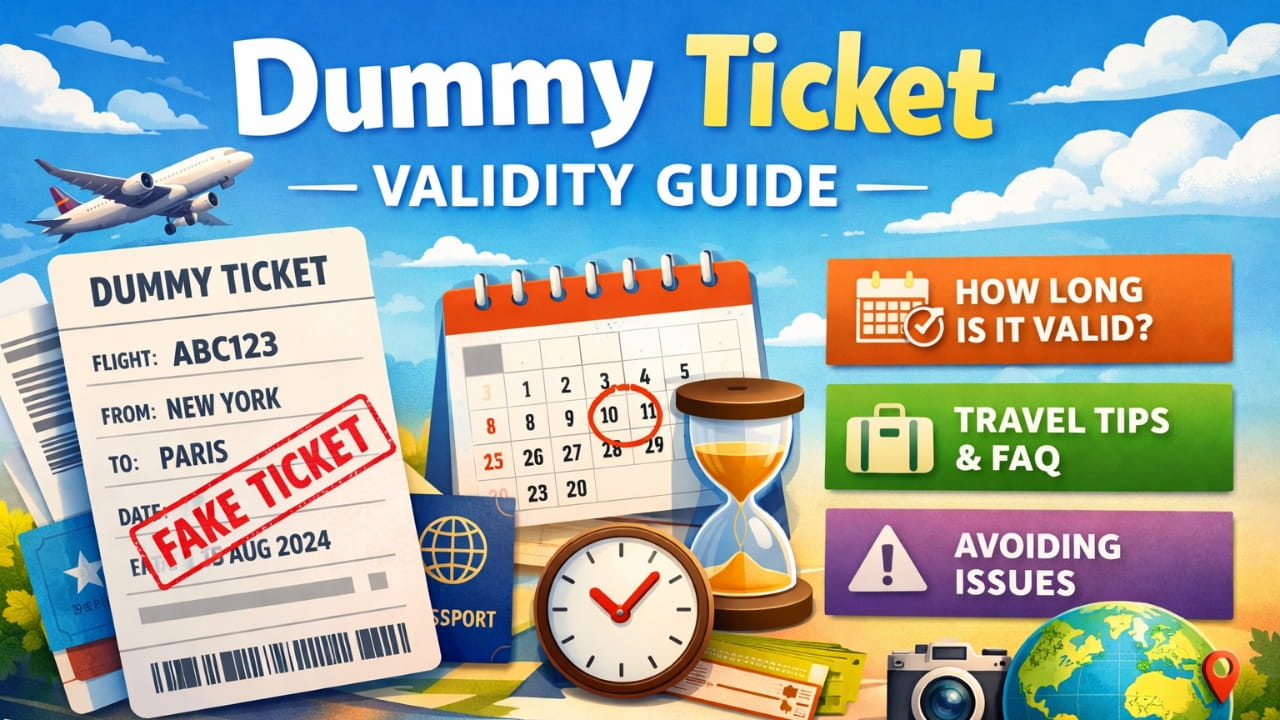
- It is Not Paid in Full: The ticket is held for a limited period (usually 24 to 72 hours, sometimes up to 14 days depending on the specialized agent) without the full fare being paid upfront. This protects your capital.
This document is designed specifically for visa applications. It proves to the embassy that you have a concrete, logistical plan to enter and leave their country, satisfying the requirement for "proof of transport" without forcing you to gamble your money on a flight you might never take.
2. What is a Confirmed Ticket? (The Risky Option)
A confirmed ticket, or an E-Ticket, is what you receive only after you have paid the full price of the flight. The airline issues a 13-digit ticket number (starting with the airline code, e.g., 176 for Emirates or 098 for Air India). Once this number is issued, the money has successfully left your bank account.
The problem with buying this too early? Most economy class tickets are strictly **non-refundable**. If your visa processing is delayed by even two weeks, or if it is rejected entirely, you lose the entire value of the ticket. Even so-called "refundable" tickets often come with significant caveats: high cancellation fees, administrative charges, or refunds that take 6-8 weeks to process.
Visa officers do NOT expect you to take massive financial risks. They are aware that visa processing times are unpredictable. Submitting a fully paid ticket does not increase your chances of approval. In fact, many embassies specifically advise against it to prevent financial loss for applicants.
3. What Do Embassies Actually Say? (The Official Rules)
There is a persistent myth in travel communities that you must buy a ticket to show "commitment" to the trip. Let's look at the actual official guidelines from the major visa authorities to debunk this once and for all.
The Schengen Visa Rules (Europe)
The European Union's visa code is very clear regarding documentation. For a Schengen visa (covering countries like France, Germany, Italy, and Spain), you are required to submit:
- "Reservation of a return ticket or a valid ticket."
- "Proof of transport."
Most official VFS Global checklists for these countries explicitly state: "We advise you not to purchase the ticket before the visa is issued." They understand the system is flawed and do not want applicants to lose money.
The US, UK & Canada Stance
The US Department of State and the UK Home Office generally do not require paid tickets for tourist visas (B1/B2 or Standard Visitor). They ask for a "trip plan" or "evidence of planned travel." A verifiable flight itinerary perfectly satisfies this requirement. Canada specifically asks for "Proof of Means of Financial Support" and "Travel Itinerary," but rarely demands a paid receipt.
4. The Danger of "Fake" Dummy Tickets vs. Real Reservations
This is where many applicants make a fatal mistake that leads to rejection and even bans. There is a massive difference between a Verifiable Flight Reservation (legitimate) and a Fake Ticket Generator (fraudulent).
A "fake" ticket is usually a PDF created in Photoshop or via a free online generator tool. It looks like a ticket, but the PNR code is random or does not exist in the airline's live system. Using this is considered visa fraud.
What happens if you submit a fake generator ticket?
- Instant Rejection: Visa officers have access to GDS tools. They verify PNRs instantly. If the code returns "Record Not Found" or "Invalid PNR," your application is rejected immediately.
- Ban on Future Travel: You may be flagged in the immigration system for submitting fraudulent documents. This can lead to a 5-year or 10-year ban (especially common with the UK and Australia).
- Loss of Credibility: Even if you apply again with real documents, your history will be tainted, and you will face higher scrutiny.
Crucial Advice: Always ensure your itinerary is verifiable on the airline's official website (e.g., checking the PNR on Emirates.com or Lufthansa.com) before you print it for your application.
5. Step-by-Step: How to Verify Your PNR Code
So, you have obtained a flight itinerary from a travel agent or an online service. How do you know it is safe to submit? You must act like a visa officer and verify it yourself. Here is exactly how to do it:
- Identify the Airline: Look at the logo on your PDF. Is it Qatar Airways? Turkish Airlines? Air France?
- Go to the Official Website: Navigate to the airline's official homepage. Do not use third-party sites like Expedia for verification.
- Find "Manage Booking": This section is sometimes called "My Trips," "Check My Booking," or "Manage My Travel."
- Enter Details: Type in your Last Name (Surname) and the 6-digit alphanumeric PNR code found on your document.
- Check the Status: If the website displays your flight details with a status of "Confirmed" or "On Hold," the document is valid. If it says "Error" or "Not Found," do not submit it. Contact your provider immediately.
6. Digital Nomads: The "Proof of Onward Travel" Hack
If you are a digital nomad or a long-term backpacker entering countries like Thailand, Bali (Indonesia), Costa Rica, or Vietnam, you face a different problem. You are not applying for a visa at an embassy; you are dealing with airline check-in counters.
Airlines can deny you boarding at your home airport if you have a one-way ticket and no proof of when you will leave the destination country. They do this because they are fined heavily if immigration rejects you upon arrival.
The Solution: Renting a verifiable flight itinerary for 48 hours is the standard "hack" for this situation. It provides a valid, verifiable return ticket to show the check-in agent, satisfying their requirements without forcing you to pick a specific return date months in advance. It gives you the freedom to stay as long as your visa allows without financial commitment.
7. Conclusion: Travel Smart, Not Hard
The flight itinerary is a legitimate, recognized, and safe tool for modern travelers. It bridges the difficult gap between applying for a visa and financially committing to a trip. By using a verifiable flight reservation, you protect your hard-earned money while complying fully with international immigration laws.
Remember, the goal of the visa officer is to ensure you intend to return home, not to ensure you have spent money on a ticket. Submit a valid, verifiable itinerary, be honest in your application, and you will be one step closer to your dream destination.

Leave a Comment